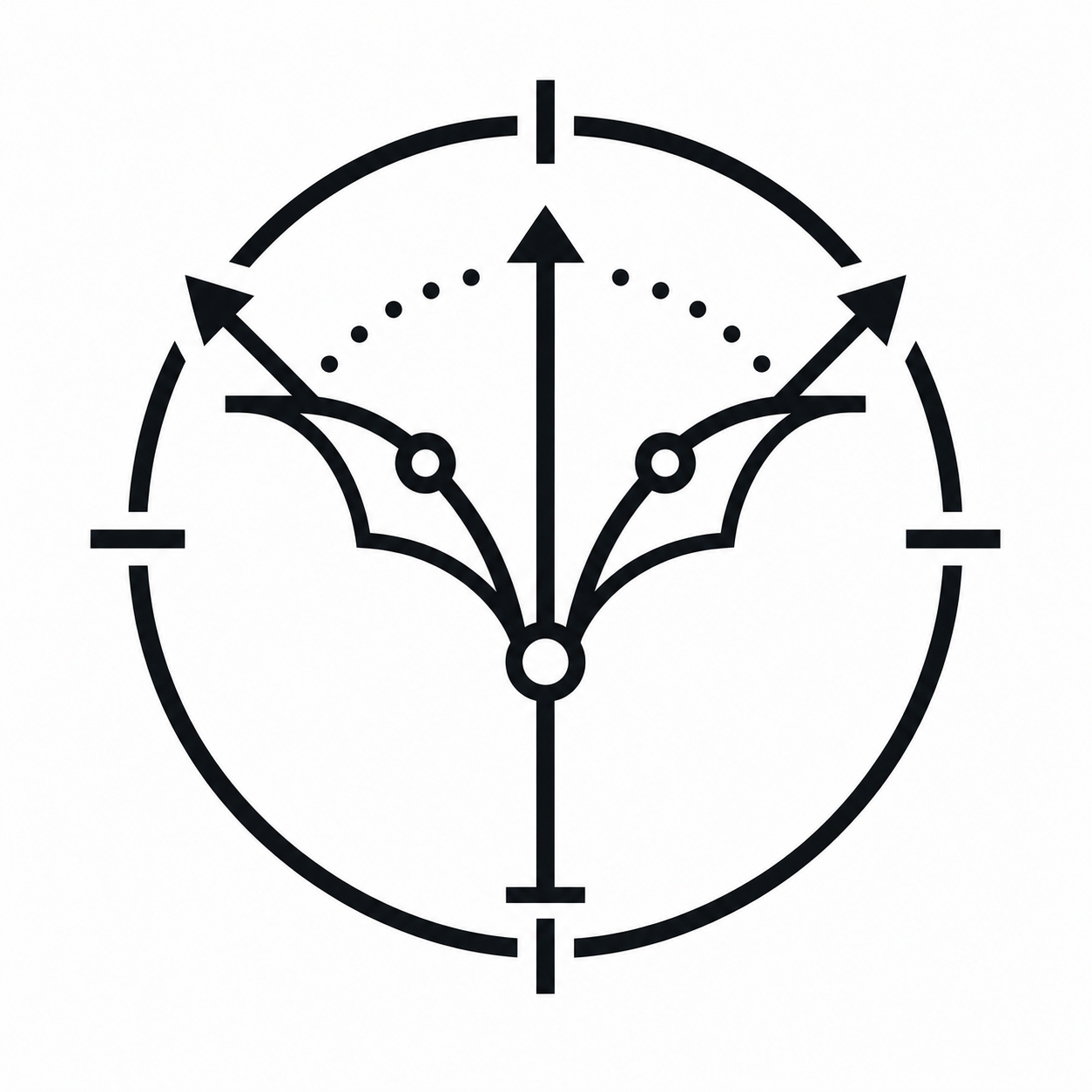
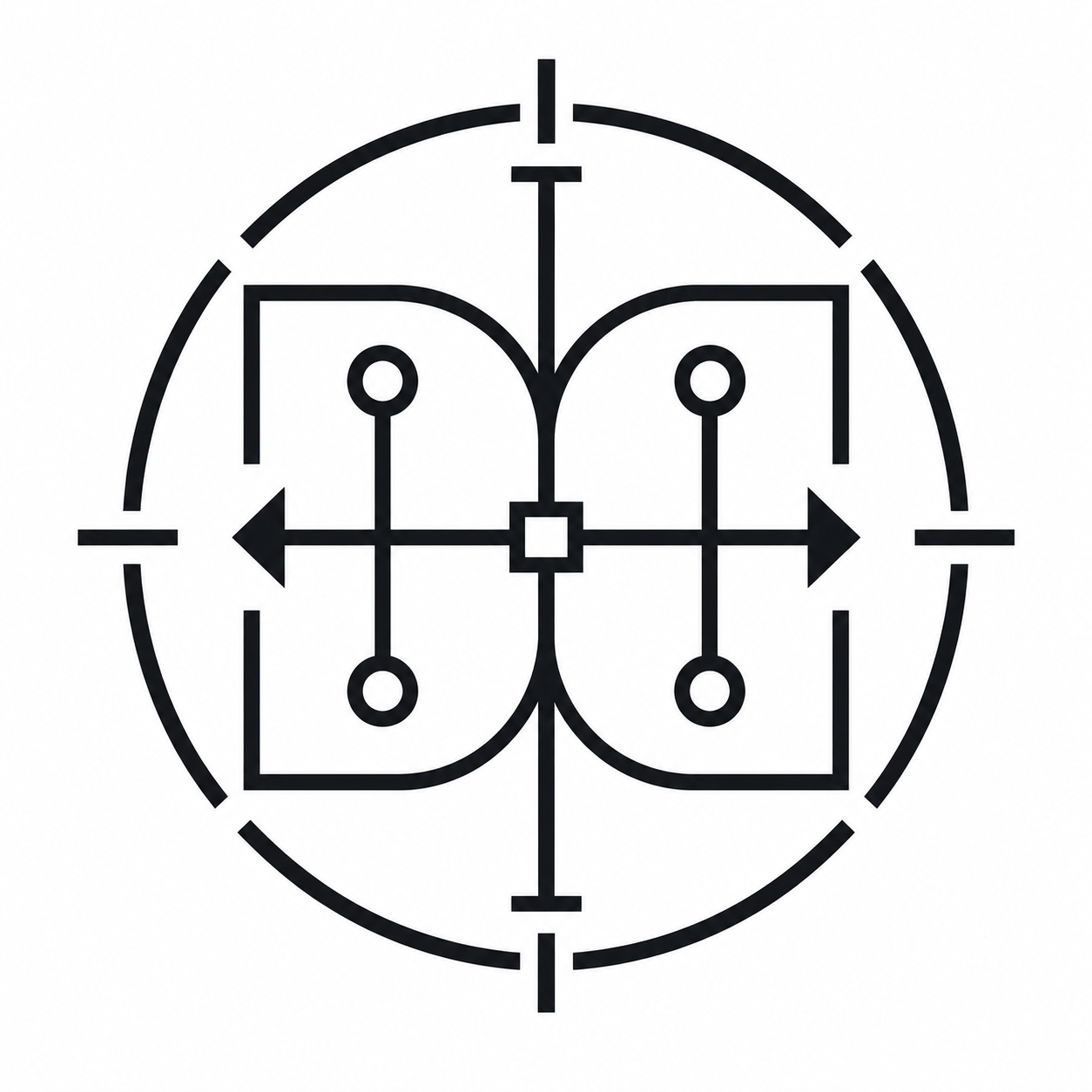
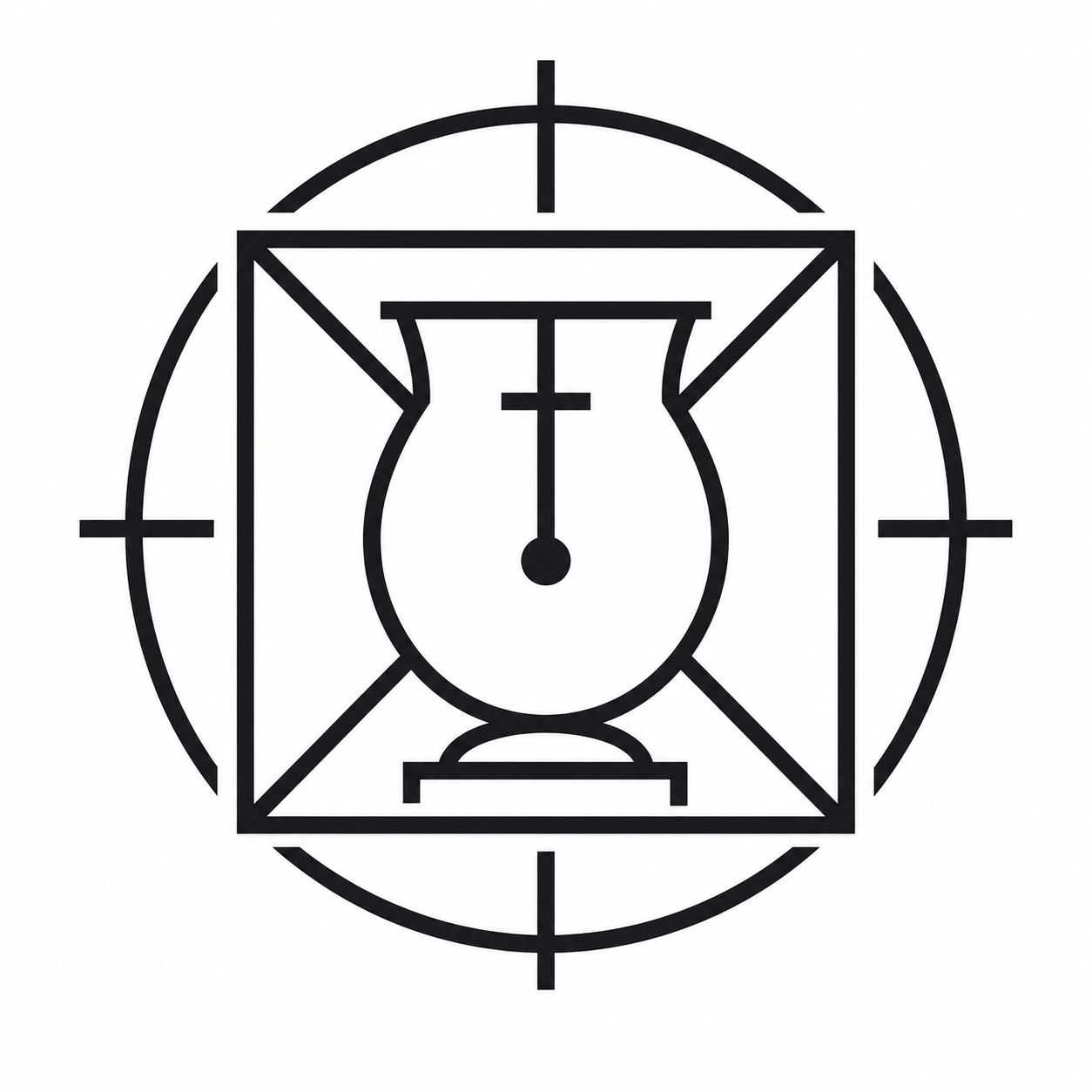
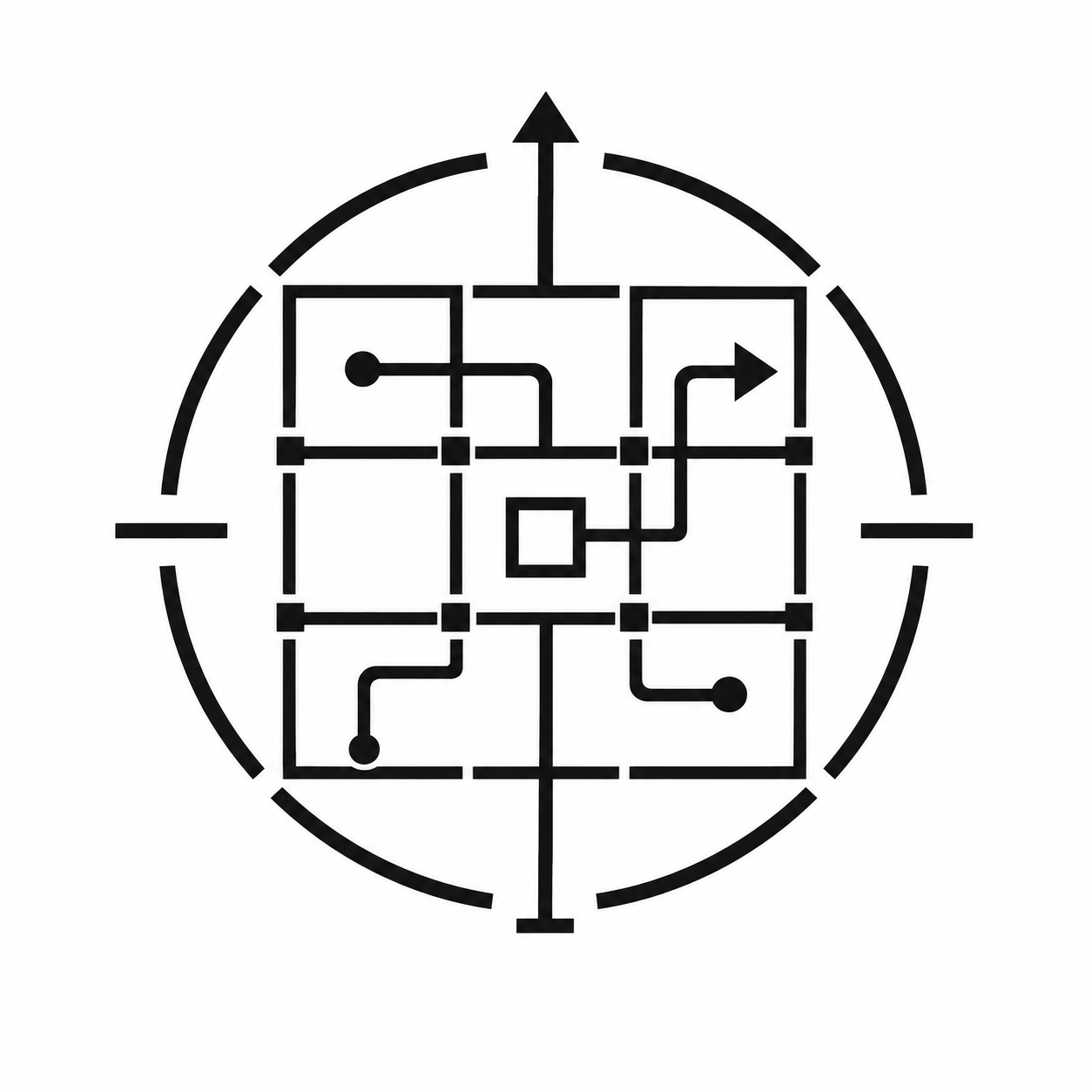
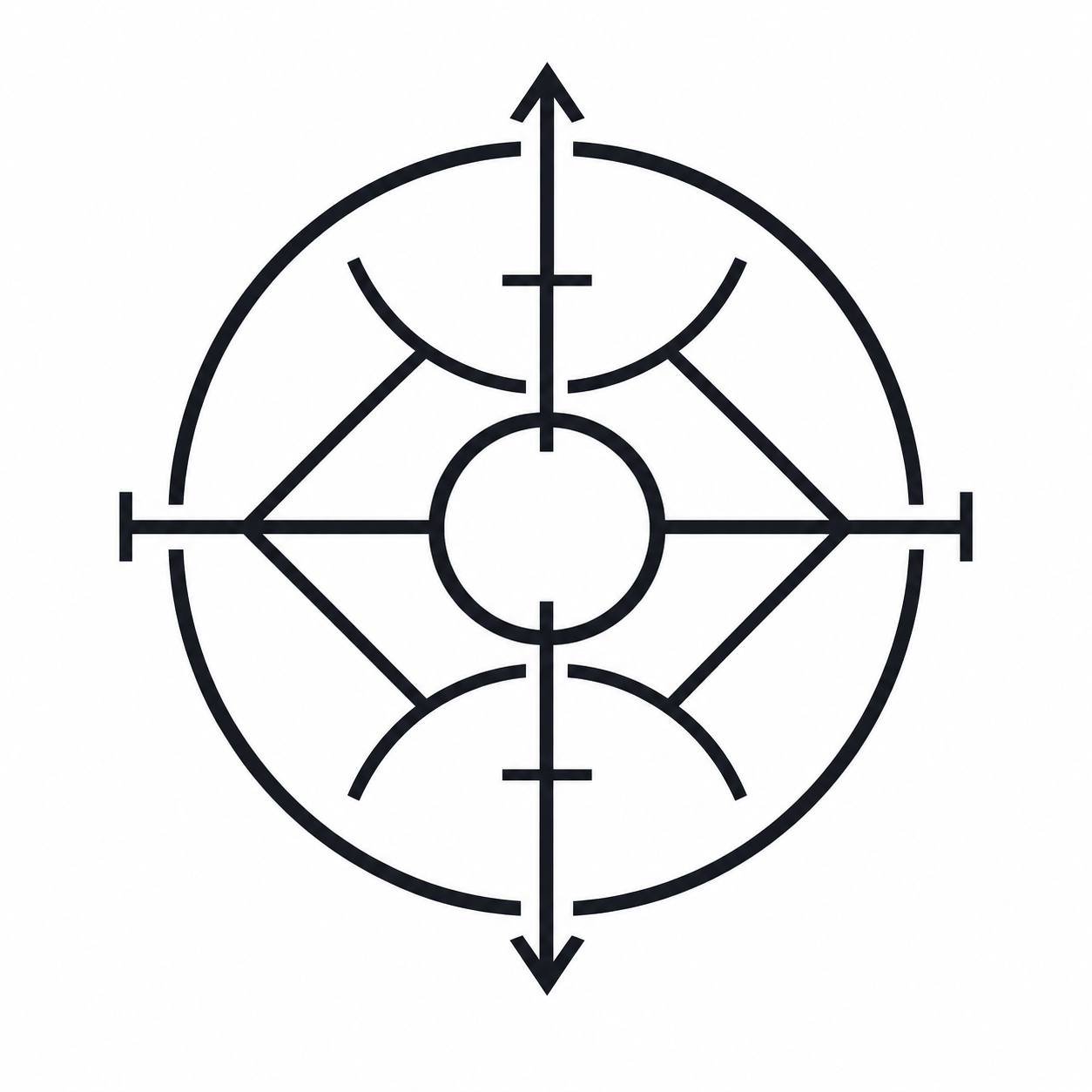
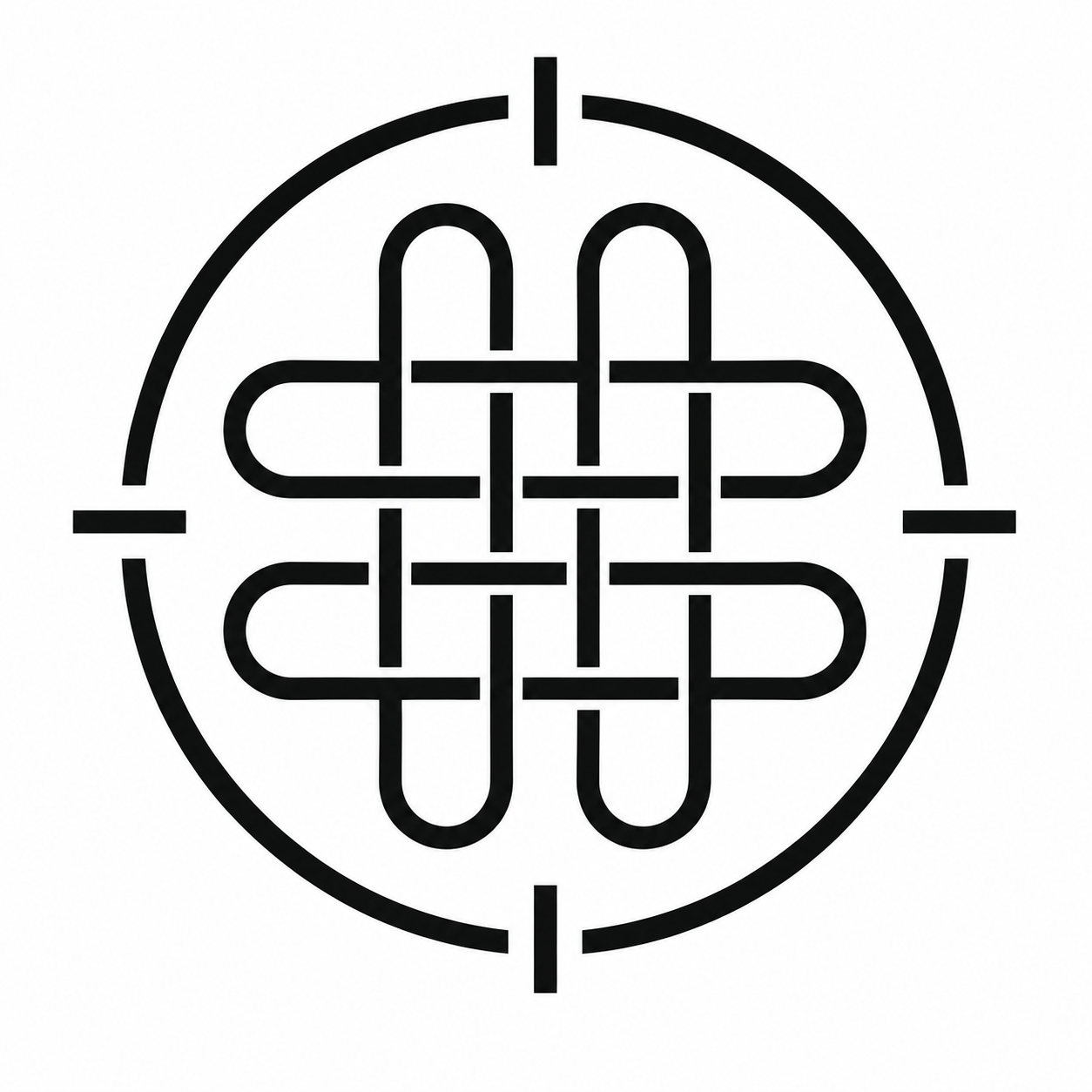
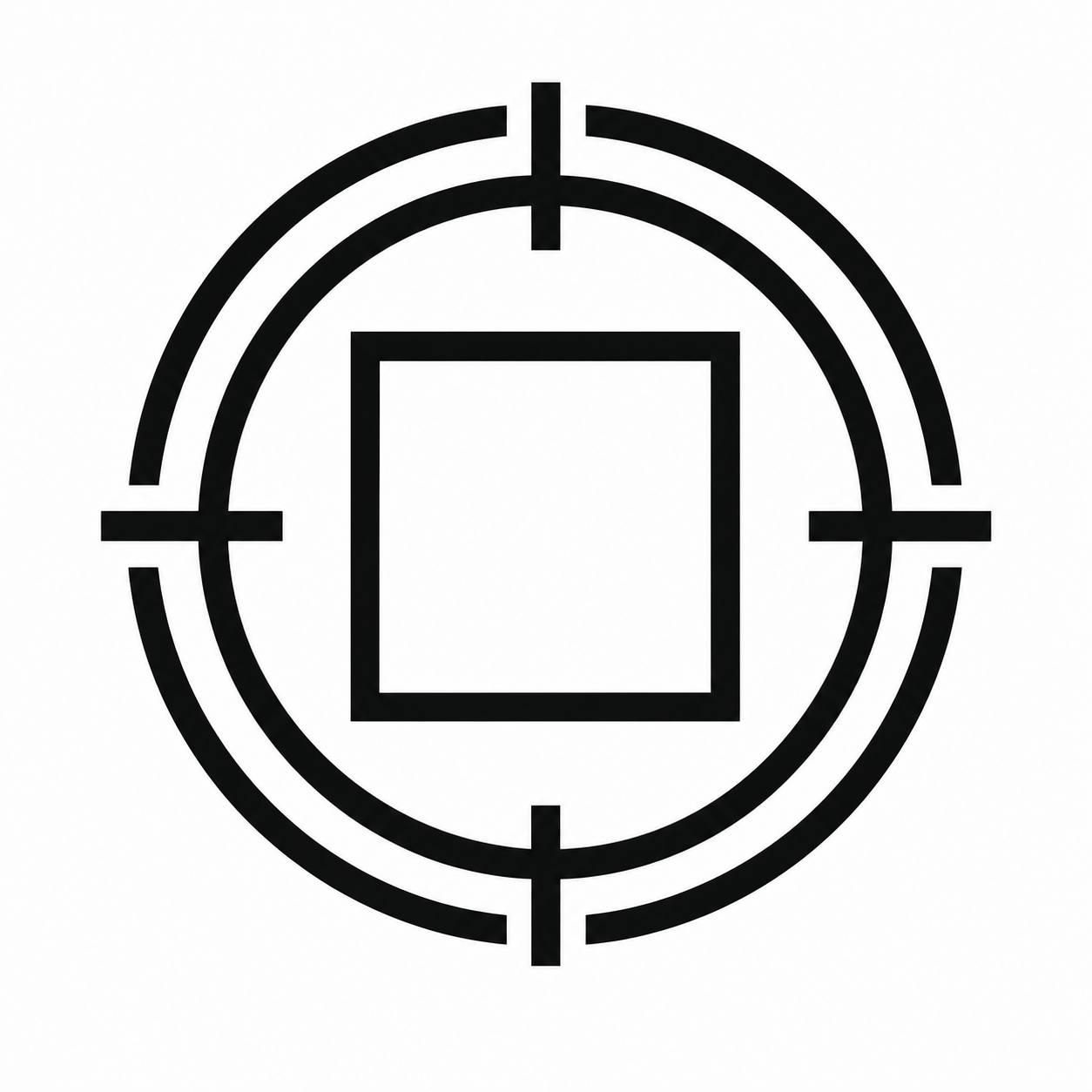
EMS Glyph Ontology — Invariant Layer
A glyph is not decoration.
A glyph is a compressed semantic mark that carries stable meaning across EMS domains, documents, interfaces, slides, and audit artifacts.
The first glyph set should cover only invariant concepts: domains, states, lineage markers, and operational postures. Everything else can wait.
A glyph should answer one of exactly four questions:
QuestionGlyph Class
What is this? Domain glyph. (noun)
What is happening? Protocol glyph (verb)
What condition is it in? State glyph (adjective)
How do we know? Audit glyph (record)
I. Federation Domain Glyphs
Each core domain needs a primary mark.
BASIS — custody, ground, admissibility
LOOM — thread, relation, continuity
MICRO — encoding, refinement, material inscription
SEAL — confirmation, closure, authority
SOMBRA — obligation, consequence, shadow logic
GNOMON — measure, angle, calibration
VIOLA — routing, beauty, signal distinction
MERCANTILE — exchange, value, lawful commerce
ATELIER — embodiment, figurine, made form
GAMECRAFT — practice, simulation, playable law
CEROAVAONO — world field, turned consequence, zero/ascent/descent
SEMAPHORE (FANALE BALISE) — signal, beacon, controlled exposure
Design Law
The EMS glyph system should be minimal, geometric, modular, and vector-first.
No human figures.
No trendy curves.
No mascot logic.
No ornamental ambiguity.
Each glyph should be capable of rendering as:
SVG
monochrome stamp
small UI mark
engraved seal
slide icon
document marginalia
machine-readable class
The aesthetic should remain Ligurian and DEC-rigorous: terraced compression, cliff-shadow, half-light, porcelain clarity, marble weight, orb logic, and coastal engineering.
The glyph must be simple enough to survive reduction, but strong enough to retain lineage.
glyph set as SVG.
Assign stable class names before assigning visual variants.
Keep a versioned registry: glyph name, domain, meaning, allowed uses, forbidden uses.
Optionally map mature glyphs to Unicode Private Use Area slots.
Later compile into a custom font for web embedding.
Treat the first completed set as an EMS Seal Museum artifact.
The glyph set is invariant notation.